
What is sisal rope?
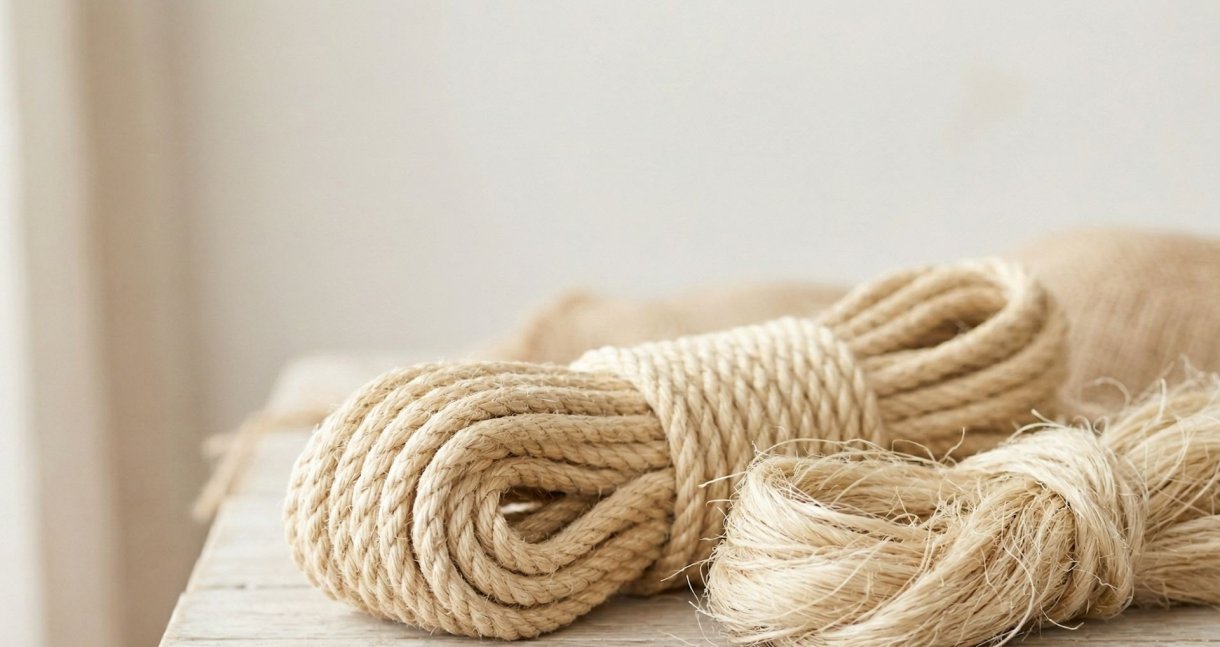
Sisal rope is a stiff cordage with a rough texture that provides high friction. We provide these products in various sizes, ranging from thick sisal ropes to thin sisal twine. It is a practical choice for projects that require a biodegradable rope with a firm grip that prevents knots from slipping.
What is sisal rope made from?
We receive questions regarding what sisal rope is made of on a regular basis. Sisal fibers come from the leaves of the Agave sisalana plant. This plant grows in dry climates in countries such as Brazil, Tanzania, and Kenya.
The extraction process is mechanical. Workers scrape the fibers from the leaves, wash them in water, and dry them in the sun. The fibers are then spun into yarn and rope. The final product consists of raw agave fibers. We do not add chemicals during this process.
Specifications and characteristics
The structure of sisal provides friction. This means knots stay in place when tied.
- Knot holding capability: Firm
- UV resistance: Withstands sunlight
- Buoyancy: Sinks in water
- Stretch: 10–15 %
- Environmental impact: Biodegradable
.jpg)
Common uses for sisal
The properties of the fiber make it suitable for specific tasks where synthetic ropes or softer natural ropes, such as cotton, fall short.
- Cat scratching posts: The rough texture allows cats to shed their claw sheaths. The absence of chemicals makes it an option for animal environments.
- Gardening: Growers use sisal twine to tie branches and support plants. The twine degrades into the soil over time.
- Interior design: The brown color and raw texture suit projects like indoor pillars, baskets, and rugs.
- Construction: Builders use it for insulation between logs in wooden houses, a process called chinking
How we recommend caring for your sisal
Moisture affects natural fibers. Sisal absorbs water, which causes the rope to shrink in length and swell in diameter. If your rope gets wet, we recommend drying it in a well-ventilated area to prevent mold formation. Store the rope in a dry place indoors when not in use.
We advise against using sisal rope for load-bearing applications overhead or for safety-critical tasks. Weather degradation reduces its breaking strength over time.
